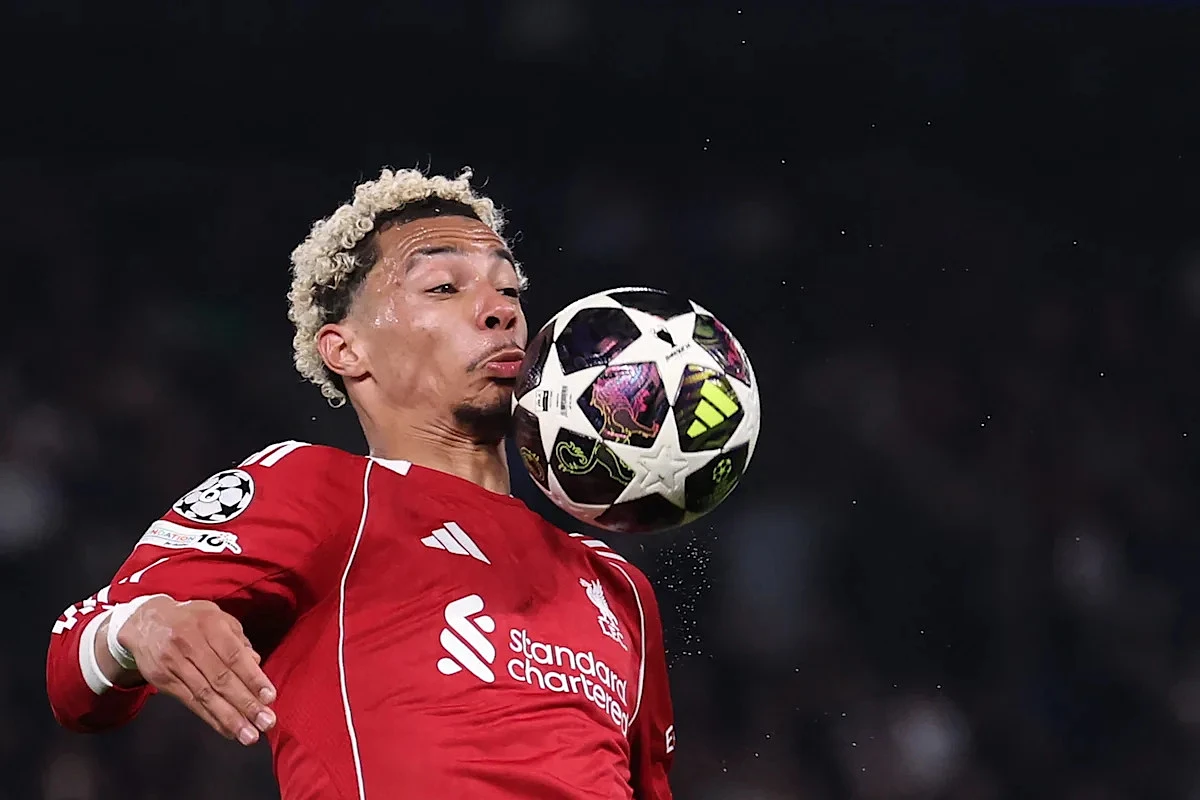
One step, a sharp snap, and a footballer's world can turn upside down. A ruptured Achilles tendon is the injury that haunts the dreams of athletes, a sudden and devastating event that is far from a typical strain or sprain. Its sudden onset, painfully slow healing process, and potentially career-altering consequences make it one of the most feared setbacks in sports.
The recent injury to Hugo Ekitike during the Liverpool-PSG Champions League quarter-final is a stark reminder of this reality. In a sport built on explosive acceleration, sharp cuts, and powerful leaps, the Achilles tendon is the critical link, and its failure can sideline a player for nearly a year or more.
So, what makes this injury so uniquely terrifying for footballers? Unlike muscle tears, the Achilles tendon—connecting the calf muscles to the heel bone—is slow to heal due to limited blood supply. The rehabilitation is a marathon, not a sprint, requiring immense patience and mental fortitude. Even after returning, players often face a long road to recapturing their former explosiveness and trust in their body, with some never quite reaching their pre-injury peak. It's a physical and psychological battle that tests the very limits of an athlete's career.