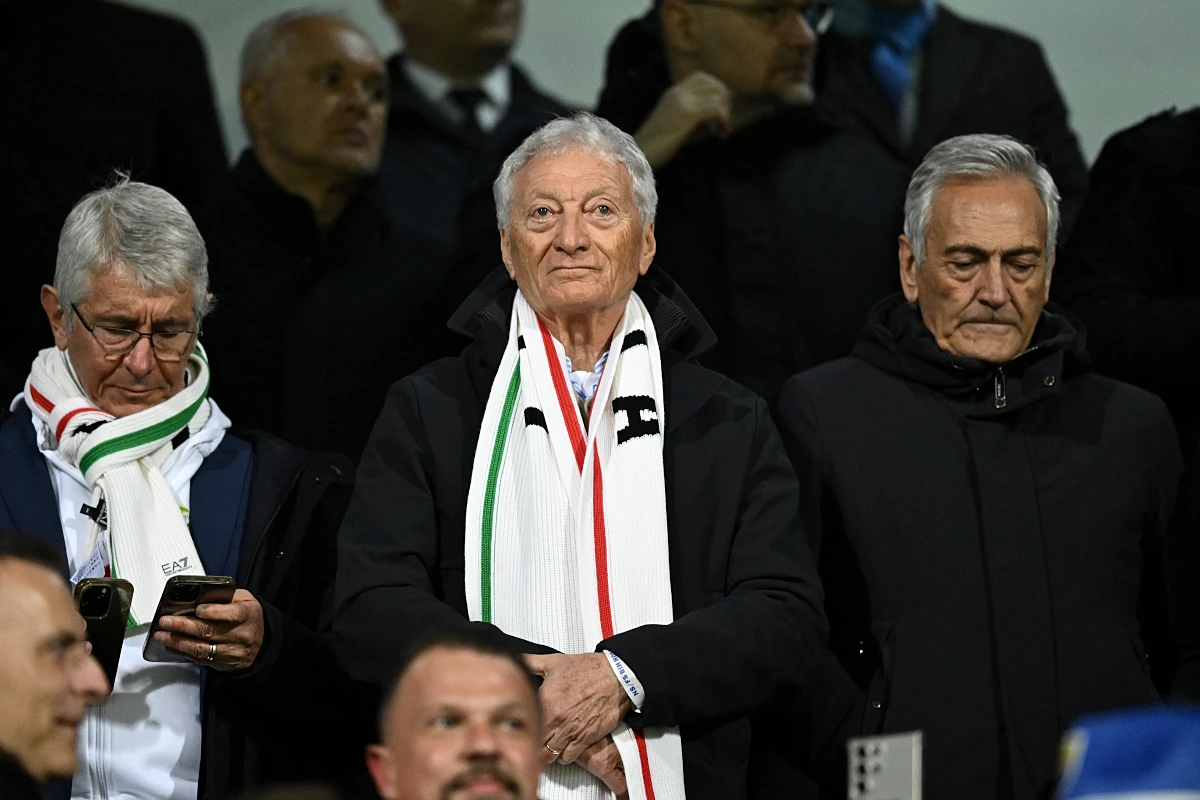
Italian football is in a state of flux, and the political tensions behind the scenes are coming to the fore. Italian Minister for Sport Andrea Abodi has publicly responded to criticism from outgoing Italian Football Federation (FIGC) President Gabriele Gravina, who suggested a lack of government support contributed to the national team's struggles. Abodi's retort was pointed: "When things go wrong, it’s always because of politics."
This exchange follows Gravina's confirmation that he will step down after Italy's shocking World Cup play-off defeat to Bosnia and Herzegovina in March, a result that saw the Azzurri miss a third consecutive major tournament. The fallout has been significant, with head coach Gennaro Gattuso and delegation chief Gianluigi Buffon also departing their roles.
In the wake of his resignation, Gravina published a detailed report outlining systemic issues plaguing Italian football. He pointed to familiar challenges: the dwindling number of Italian players featuring regularly in Serie A, insufficient investment in infrastructure, and an ongoing debate over tactical philosophy versus technical development. A key claim was that a lack of financial backing from the government hindered progress.
Further fueling the dispute, Gravina told Corriere della Sera that his proposals for incentivizing youth academies—a potential solution to the homegrown talent shortage—were met with government restrictions. This set the stage for Minister Abodi's rebuttal, highlighting a deepening rift between the football federation and political leadership during a critical period for the sport in Italy.