The NCAA's decision to expand the Division I women's basketball tournament from 68 to 76 teams has sparked plenty of debate—but not all of it is negative. While coaching heavyweights like Geno Auriemma, Dan Hurley, and Brad Underwood have voiced concerns, many women's coaches see the bigger bracket as a golden opportunity for the sport to grow.
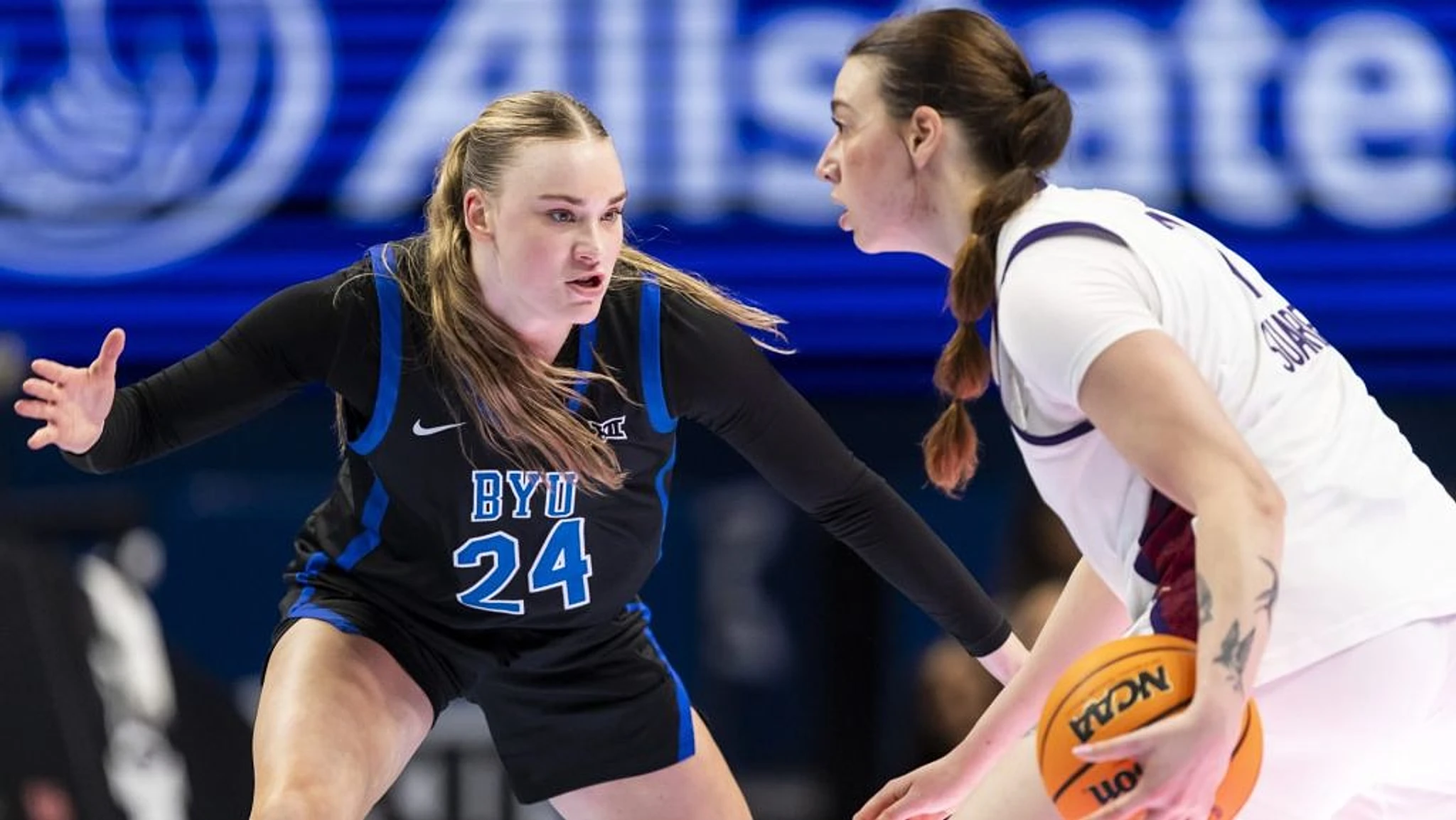
"It's good for program recognition," says BYU head coach Lee Cummard. The Cougars were among the last four teams left out of this year's tournament, and Cummard believes expansion would change that. "The athletes on our team have unbelievable stories that they need to share with the world, and visibility allows them to share those stories."
The women's tournament has historically lagged behind the men's in competitive depth. Over the past three years, lower seeds have won just eight first-round women's games compared to 24 on the men's side. Adding more teams could help close that gap and create more Cinderella moments.
Mid-major coaches are especially excited about the change. Fairleigh Dickinson's Stephanie Gaitley notes that sports serve as the "front porch" of a university, giving smaller schools a chance to shine on a national stage. Under the new format, the tournament will feature more play-in games: four 15-seeds and eight 16-seeds will compete in one pod, while the final 12 at-large qualifiers—including four 11-seeds and eight 12-seeds—will battle in another.
This year, No. 15 Fairleigh Dickinson fell to No. 2 Iowa by just 10 points in the first round. Gaitley believes her team would have been even more competitive with a play-in game under their belts. "To say we won a game in the NCAA tournament really goes a long way," she says. "It builds confidence and gives you that tournament experience."
Still, not everyone is convinced. A major concern is whether the selection committee will prioritize middle-of-the-pack power conference teams over highly successful mid-majors that just miss out on an automatic bid. It's the same debate that rages on the men's side. For schools like North Dakota State—one of the first four out this year—the fear is that expansion might not actually open doors if the committee's criteria don't change.
As March Madness grows, the women's game stands at a pivotal moment. More teams mean more stories, more exposure, and more chances for the sport to capture the nation's imagination. Whether those opportunities translate into true competitive balance remains to be seen—but for now, the optimism among coaches is hard to ignore.