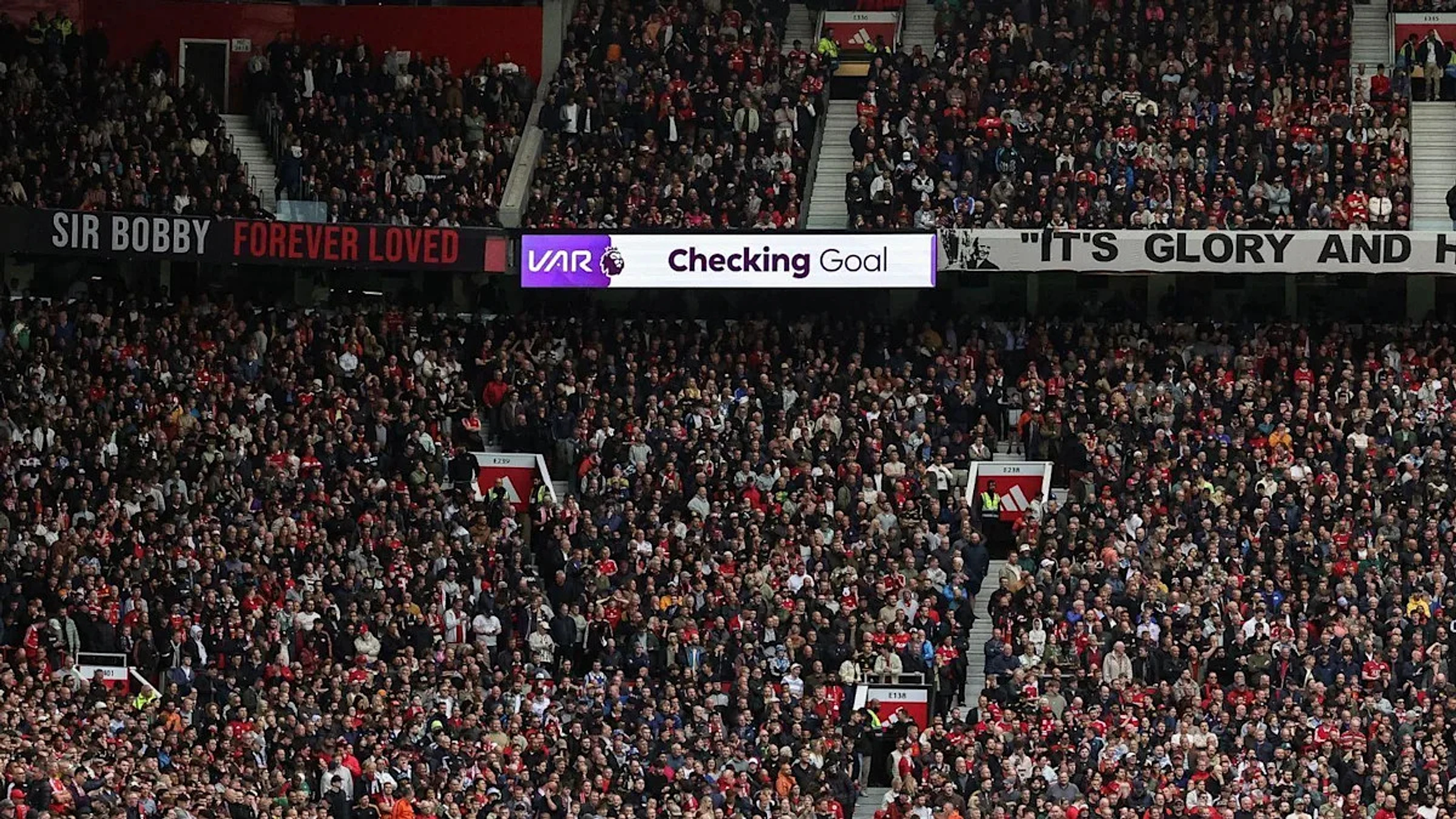
In the world of modern football, few moments spark as much debate as a handball decision. It's the kind of call that can swing a match, and for the Video Assistant Referee (VAR), it's one of the toughest jobs on the pitch.
Why so tricky? Because depth perception can play tricks on the eye. A single camera angle might make it look like the ball brushed a player's hand or arm, but that's not always the truth. That's why VAR officials rely on split-screen angles to get a clearer picture.
At its core, the decision comes down to one question: Can the referee be absolutely sure the ball touched the hand? It's a subjective call, not a black-and-white rule. And who sits in the VAR chair matters—different officials may see the same footage differently.
Slow-motion replays can help, but there's a catch. Experts warn against over-relying on zoomed-in footage. Broadcasters like Sky often use ultra-zoom, high-frame-rate cameras, but those images usually appear minutes after play has already restarted—too late to influence the call.
In a recent high-profile case, VAR Stuart Attwell faced this exact dilemma. He reviewed the footage but felt he didn't have definitive evidence to overturn the goal. He might have thought it was likely a handball, but he couldn't be 100% sure. Referee Darren England later explained this reasoning to both team captains before play resumed.
Of course, if you're a Liverpool fan, you probably saw clear proof. That's the beauty—and the frustration—of football. Every angle tells a different story, and sometimes, the final call is a decision that could have gone either way.